
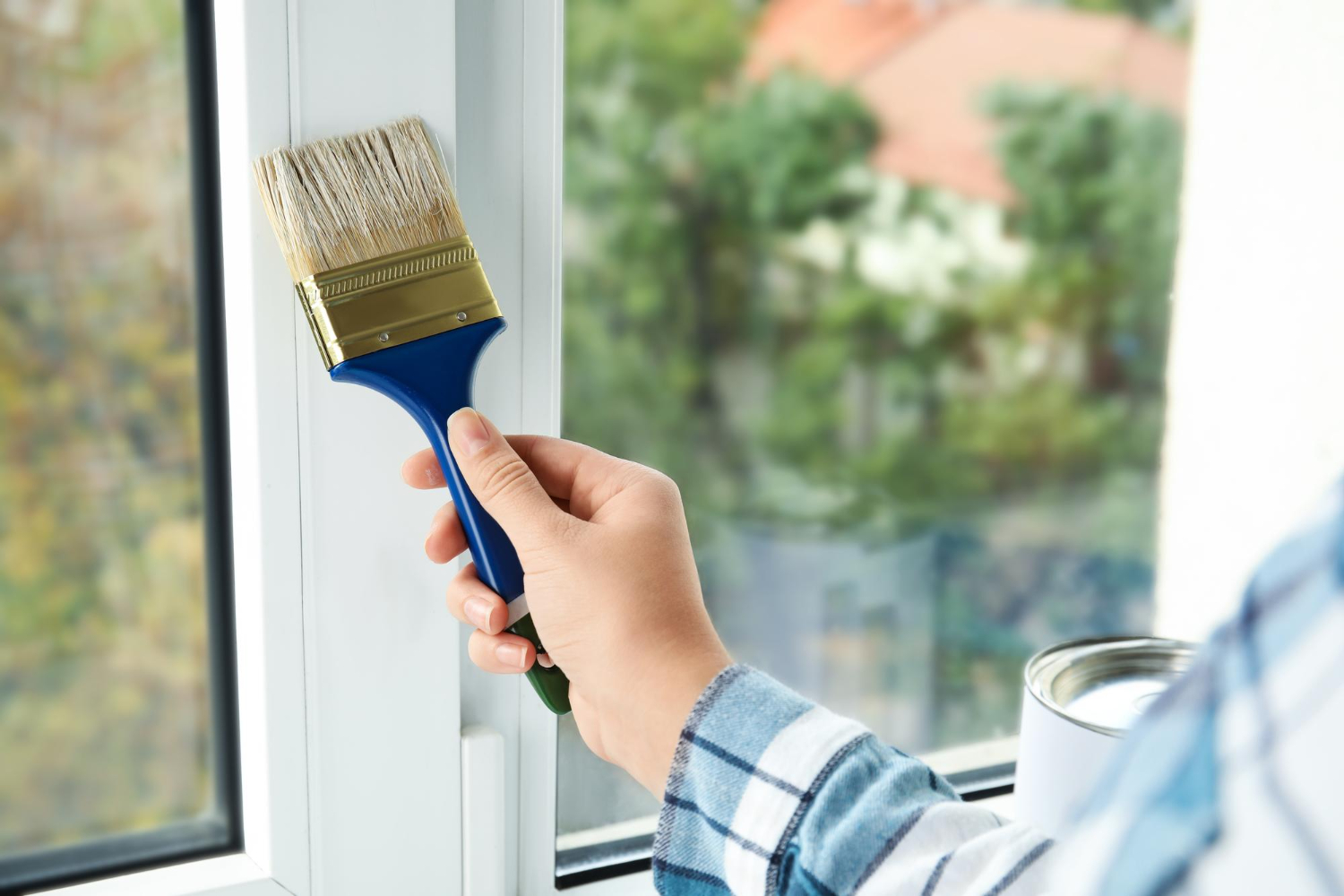
- Painting aluminium windows often fails when skipping preparation, which starts with proper cleaning to remove dirt, grease, and oxidation so paint can properly bond.
- Using the right primer, window paint, and tools is essential, as well as painting during suitable weather conditions for a smooth, long-lasting finish that won’t peel, bubble, or crack too soon.
- Never underestimate what proper masking and careful taping can do to achieve clean lines and a professional-looking finish.
If you’ve handled a few DIY jobs around the house, you’ve probably already learned this the hard way: painting aluminium windows is not your usual paint project. It looks simple enough, until you see that the paint starts peeling, the finish turns patchy, or those crisp edges you imagined don’t quite happen.
And if you’re new to DIY painting, you might be asking one of the most common questions we hear, “Can you paint aluminium window frames at all?”
Aluminium windows are incredibly popular in Australian homes because they’re durable, low-maintenance, and energy efficient (Simko &Moore, 2021). But the catch? That same smooth, non-porous surface that makes aluminium so tough also makes painting aluminium window frames tricky.
Why? Because paint doesn’t naturally want to stick to such surfaces, and without the right prep, primer, and window paint, the finish won’t last.
So before you grab a brush or spray gun, it’s worth knowing what not to do when painting aluminium windows, and how to avoid these mistakes that are costing homeowners’ time, money, and a second repaint.
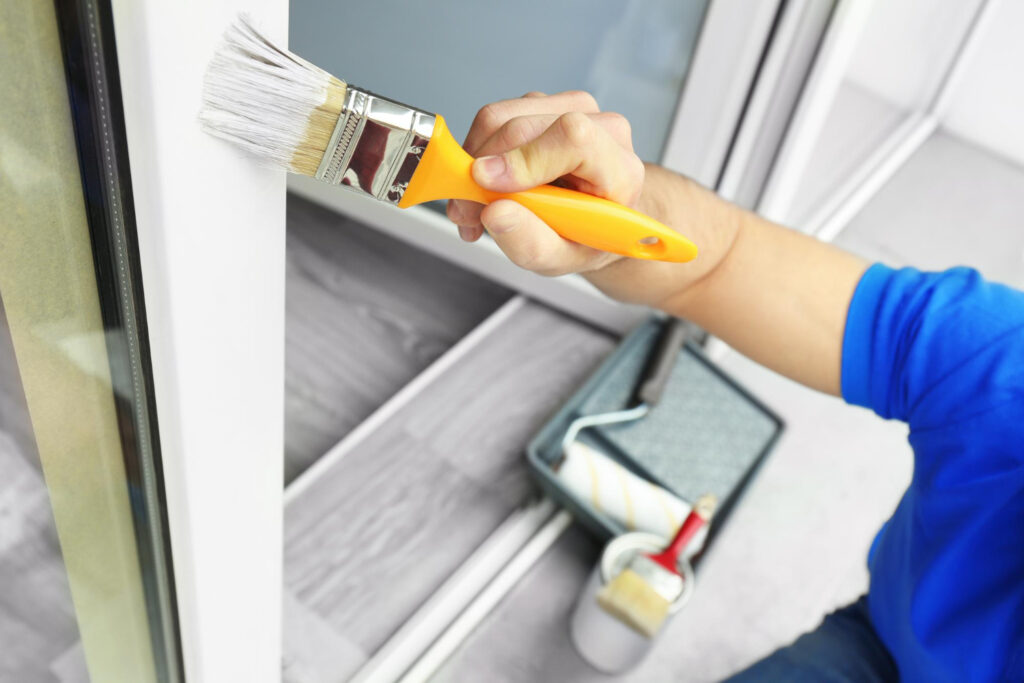
Table of Contents
Can you paint aluminium window frames?
Well, you absolutely can. But there’s a right way to do it.
Painting aluminium windows is very different from painting timber because aluminium is a smooth, non-porous metal. That means paint doesn’t naturally hold onto it the way it does with wood.
But the good news is that with the right preparation and primer, your window paint can bond properly to the aluminium and hold up well for a long time.
But painting aluminium window frames leaves very little room for error, and skipping even one step, like proper cleaning, sanding, or priming, can ruin all your hard work.
That’s why knowing the most common mistakes when painting aluminium windows is so important.
9 Mistakes to Avoid When Painting Aluminium Windows
1. Skipping the right surface preparation
The secret to every quality and long-lasting painting job is not ignoring this first essential step.
The problem: Failing to properly clean your window frames leaves behind dirt, dust, grease, and oxidation. When these are ignored, paint simply won’t bond well to aluminium surfaces. This often causes your paint to chip and peel easily, sometimes within months.
Our solution: Start by cleaning your windows thoroughly using soap and warm water to remove all dirt and grease. If you notice chalky residue or oxidation, mix vinegar and water and use a soft brush or cloth to scrub the affected spots until the surface feels clean and smooth.
2. Forgetting to sand or etch the surface
Aluminium might look tough, but it’s one of the trickiest surfaces to paint. Its smooth and non-porous texture makes it naturally resistant to paint, which is why so many DIY projects go wrong.
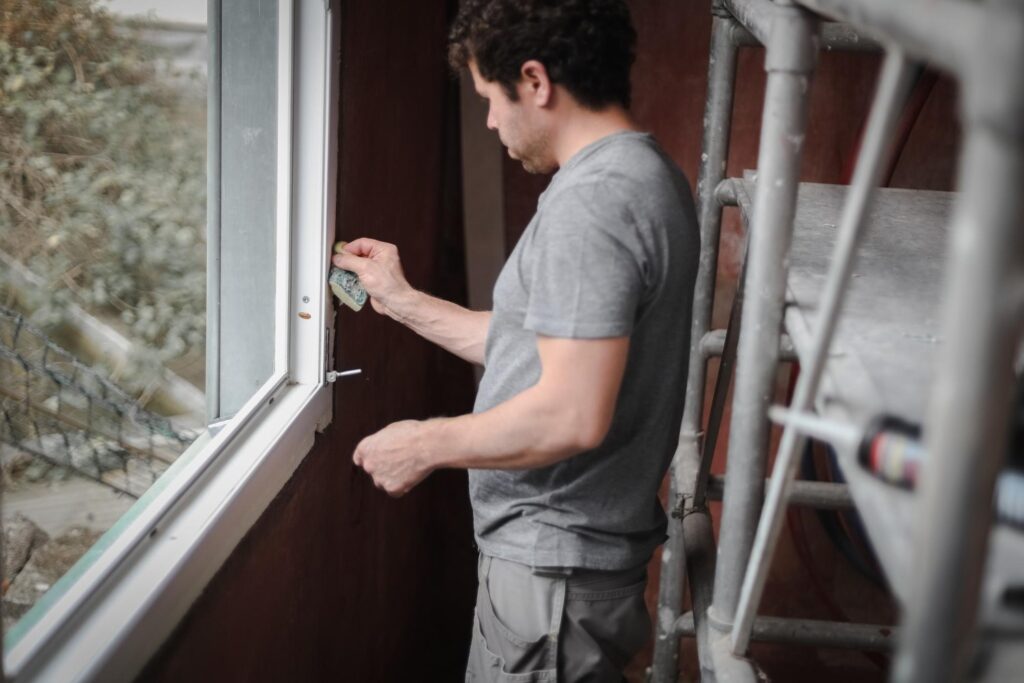
The problem: If you skip light sanding or etching, the paint has nothing to hold onto. Without that slightly rough texture which the paint can bond to, it can lead to peeling and flaking.
Our solution: Lightly sand the aluminium window frames or use a suitable etching solution to create a fine, textured surface. This step helps turn the smooth metal into a paint-ready surface, allowing the primer and window paint to properly bond. It’s a small extra step, but it makes a huge difference to how long your paint job lasts.
3. Using the wrong primer
When it comes to painting aluminium windows, the primer you choose matters just as much as the paint itself. Aluminium needs a specially formulated primer that’s designed to bond with metal; otherwise, your top coat won’t hold.
The problem: Using a standard primer (or skipping the right one) often leads to flaking, bubbling, or peeling paint.
Our solution: Always use a primer specifically made for metal or aluminium surfaces. A self-etching or aluminium primer helps create the right surface for your window paint to stick to, giving you a smoother finish and a much longer-lasting result.
4. Poor masking
Good masking might feel tedious, but it’s your key to achieving a clean and professional-looking window paint.
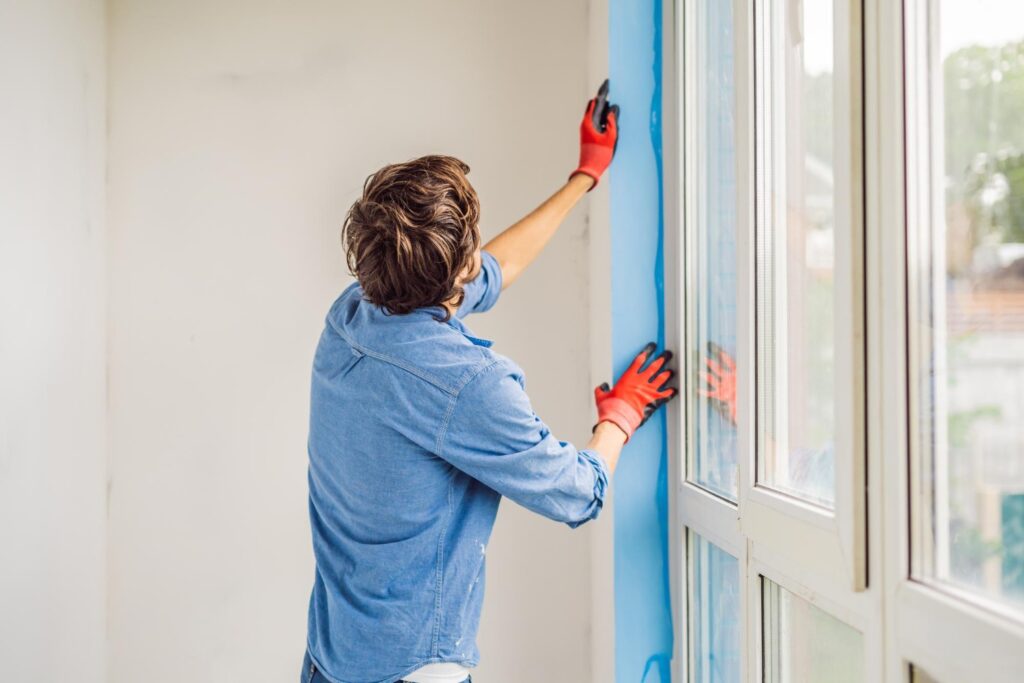
The problem: Failing to fully protect the glass, walls, or surrounding surfaces, especially when using spray paint, can quickly turn into a messy job. Also, rushing the painter’s tape along the edges of the window frames often results in jagged lines, paint bleed, and an overall untidy look.
Our solution: Take your time with masking. Cover all nearby surfaces with paper or plastic and secure them with professional-grade masking tape. Apply painter’s tape carefully along every edge of the window frame, pressing it down firmly. So when it’s time to remove the tape, you’ll only see clean, crisp lines that make your paint job look sharp and well-finished.
5. Choosing the wrong window paint
Different paints stick to different surfaces.
The problem: Using the wrong type of window paint means your top coat won’t bond properly to the metal, leading to peeling or bubbling.
Our solution: Choose a paint designed for aluminium windows or metal surfaces like acrylic or epoxy-based paints.
6. Painting over existing damage or corrosion
Aluminium window frames can get damaged over time, especially when you live in coastal areas, where salt air is common, or in places constantly exposed to pollution, moisture build-up, or acid rain.
The problem: Painting straight over damaged or corroded aluminium surfaces might look like a quick fix, but it only hides the issue. Before long, the corrosion works its way back through the paint, leading to bubbling, flaking, and a much bigger repair job down the track.
Our solution: Always fix the problem first before you paint. Scrape away any areas with damage, then use fine sandpaper to remove all signs of corrosion, rust, or oxidation. Finish it by thoroughly cleaning the surface so your primer and paint can properly bond for a long-lasting result.
7. Painting during the wrong weather conditions
With Sydney’s intense summers and cooler winters, timing your painting job matters more than most people realise.
The problem: Painting aluminium windows in harsh, direct sunlight can cause the paint to dry too quickly, stopping it from bonding properly to the surface. The result? Cracking, bubbling, or an uneven finish that just doesn’t last.
Our solution: Aim to paint during spring or autumn when temperatures are milder and conditions are more stable. These seasons give your window paint the time it needs to cure properly, helping you achieve a smoother, longer-lasting finish.
8. Not using the right tools
The right tools won’t just make your job easier; they also make a huge difference to how smooth your painting job’s finish looks.
The problem: Not using high quality painter’s tape or poor brushes can ruin your hard work. Poor tape can tear, leave residue behind, or even pull paint off your aluminium window frames once you remove them. While low-quality brushes often leave visible brush marks, making the finish look uneven.
Our solution: Invest in professional-grade painter’s tape that won’t bake onto your window frames or damage the surface when removed. For the best finish, spray painting is often a better option than brushing, as it creates a smooth, clean look without streaks or brush marks.
9. Rushing the job
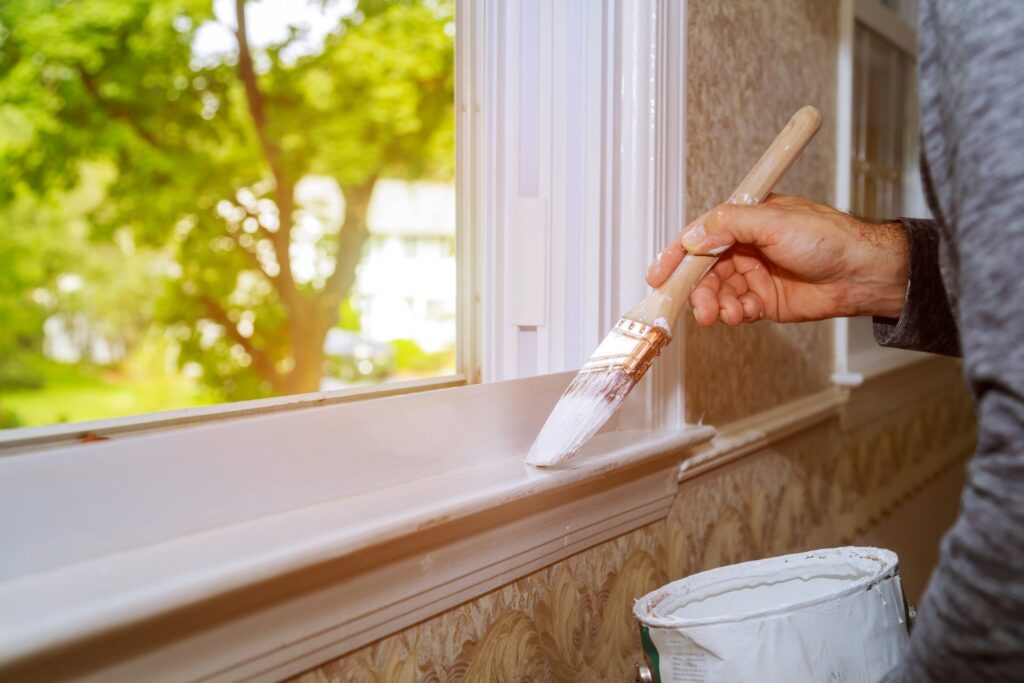
Trying to rush through painting aluminium window frames might seem like a time-saver, but it often ends up costing you more in the long run.
The problem: We often see homeowners skip essential steps like proper cleaning or sanding just to get the job done faster. Others rush the masking process or don’t allow enough drying time between coats. The result? Paint that chips, peels, or looks uneven far sooner than expected.
Our solution: If you want your paint job to last and avoid having to redo it, patience is key. Take your time, don’t cut corners, and follow each step properly, especially if it’s your first time painting aluminium windows. And remember, the job isn’t finished until the paint has fully dried and cured. Allowing enough drying time will make a huge difference to your paint job’s final result.
Final thoughts
Painting aluminium windows isn’t something you want to rush. It’s the small details, like proper preparation, the right primer, quality window paint, good weather, and a bit of patience, that can make your finish last for years.
At Paintistry, we’ve painted countless homes, units, and apartments, providing professional services for painting aluminium windows in Sydney that homeowners trust. We know what works, what doesn’t, and how to deliver a smooth and long-lasting finish without the stress.
Thinking about painting your aluminium windows?
Get in touch with us today and let us handle it properly the first time. So your windows look fresh, clean, and stay that way for years.